



Basement Wall Sealing in Springfield: Stop Damp Walls Before They Spread
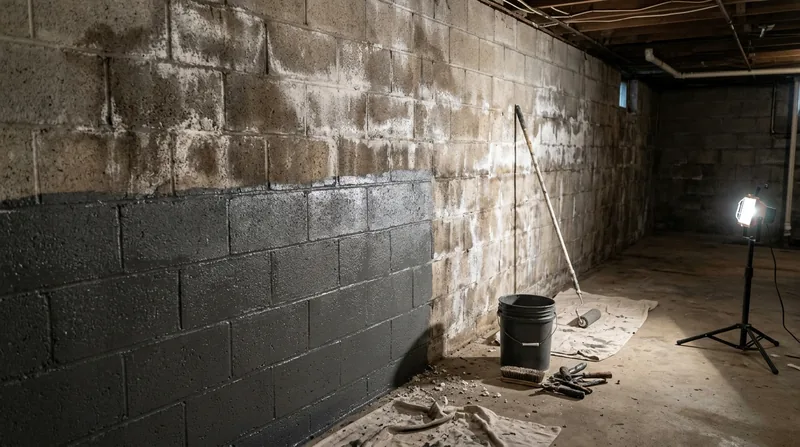
Springfield sits on the Ozarks plateau, where cherty red clay and limestone karst move water underground and push it back against your foundation after every spring storm. Basement Wall Sealing in Springfield is the targeted fix for damp, weeping, and efflorescent basement walls in the city's Victorian, bungalow, ranch, and newer poured-wall homes. We prep the surface, remove efflorescence, and apply penetrating or membrane sealers that shut down minor moisture migration. We also tell you straight when sealing is not enough and hydrostatic pressure is the real problem. Call (417) 738-3368 to schedule a free basement inspection. Start with our basement waterproofing service page to understand the full system.
Why Springfield Basements Take On Water: Karst, Clay, and Old Foundations
Springfield's building stock ranges from 1870s limestone and brick foundations in the Walnut Street historic district and Midtown to 1990s and 2000s poured walls in Nixa and Republic. The common thread is the soil: cherty red clay over karst limestone, with springs and sinkholes that channel water unpredictably. Heavy spring rain and freeze-thaw winters work that water against basement walls.
- Older brick and limestone walls in Rountree and Phelps Grove wick groundwater and show efflorescence as salts push through the mortar.
- 1950s to 1970s brick ranches on the south and east sides often have partial basements with cold joints that seep after thunderstorms.
- Newer poured basements in Nixa and southeast Springfield develop hairline shrinkage cracks that let damp through the wall face.
- Creek valleys along Jordan, Fassnight, and Wilson's Creeks flash-flood and raise the water table fast, which loads walls from the outside.
Sealing buys real protection when the wall is damp but not structurally loaded, and we will tell you when that is the case.
Key info: A 1920s bungalow in Rountree with white salt bloom on the wall and a musty smell after rain is a classic sealing candidate, while a wall that weeps at the cove joint during every storm usually needs drainage first. We check the difference on site.
For the regulatory side, the City of Springfield Building Development Services handles permits for work that alters drainage or structural foundations, and rules vary by jurisdiction. See the City of Springfield's official site for current requirements.
How We Seal Basement Walls in Springfield, Step by Step
We start by diagnosing why the wall is wet, because sealing a wall that is under hydrostatic pressure traps moisture and makes the problem worse. Our crew walks the basement, checks the cove joint, probes cracks, and reads the efflorescence pattern. Then we prep and seal only what sealing can actually fix.
- We inspect the wall face, cove joint, and any cracks to separate surface dampness from active water entry.
- We remove efflorescence with a dry brush and a mild acid wash so the sealer bonds to sound masonry, not salt crust.
- We patch honeycombs, mortar joints, and tie holes with hydraulic cement or a masonry repair mortar.
- We apply a penetrating sealer on brick and limestone, or a membrane sealer on poured walls, in two coats where the product calls for it.
- We correct grading and downspout extensions at the same visit so roof water stops soaking the same wall.
When the inspection shows a structural crack or bowing, we refer you to the right repair rather than seal over it.
Key info: On a 1960s split-level in southeast Springfield, the lower wall was damp but dry at the cove joint, so a penetrating sealer plus downspout extensions solved it. On a 1900s Midtown brick foundation, the same symptoms traced to a failed footing drain, and we recommended an interior drain tile system instead of sealer alone.
Sealing Methods We Use on Springfield Basement Walls
Not every wall takes the same product. Limestone and brick need a breathable penetrating sealer, poured walls can take a membrane, and cracked walls may need injection before any sealer goes on. This table shows how we match the method to the wall.
| Approach | Description | Best for |
|---|---|---|
| Penetrating sealer | Soaks into masonry and blocks capillary damp without a surface film. | Brick and limestone foundations in Midtown and Rountree. |
| Membrane sealer | Forms a flexible coating that bridges hairline cracks on poured walls. | Poured basements in Nixa, Republic, and southeast Springfield. |
| Crack injection plus sealer | Epoxy or polyurethane injection fills the crack before sealing the wall face. | Walls with visible vertical cracks and damp staining. |
| Efflorescence removal and prep | Dry brushing and mild acid wash strip salt bloom so sealer bonds. | Any wall with white powder or peeling paint. |
| Drainage correction | Regrading and downspout extensions move roof and surface water away. | Walls that stay wet at the top even after sealing. |
We pick the method after the inspection, not before, because the wrong sealer on a wet wall traps moisture and causes paint to blister.
Basement Wall Sealing Cost in Springfield: What to Expect
Most basement wall sealing jobs in Springfield start around $1,500, and that figure covers a typical basement with moderate dampness, efflorescence removal, and a sealer application. Larger wall runs, heavy salt bloom, or crack injection before sealing push the number higher. A wall that needs drainage work is a different scope, and we say so up front.
Factors that move the price include the square footage of wall face, the wall material (limestone and brick take more prep than poured concrete), the number of cracks needing injection, and access to the basement. Getting two or three estimates is smart because the diagnosis matters more than the sealer brand. See our full pricing overview for ranges by scope.
Basement Wall Sealing Near Me: How to Hire in the Springfield Area
Hiring a waterproofing contractor near Springfield means checking more than a low bid. Ask for proof of insurance, a written scope that names the sealer and the prep steps, and references from basements like yours. A contractor who promises sealing will fix a wall that is actively weeping is selling you the wrong service.
- Confirm the company is licensed and insured, and ask for a certificate before work starts.
- Get two or three written estimates that separate prep, sealing, and any crack injection.
- Ask for local references, especially on older brick foundations in Rountree or Phelps Grove.
- Check whether a permit is needed if the scope touches drainage or structural work, and verify with the City of Springfield.
We are a Basement Health Association member and a dedicated basement waterproofing specialist, not a general foundation firm or a plumber. Reach us through our contact page or call (417) 738-3368 for a free, no-obligation estimate.
Basement Wall Sealing in Springfield: Pricing Guide
| Service | Price | Details |
|---|---|---|
| Single wall sealing | Starting at $1,500 | Covers prep, efflorescence removal, and one-coat sealer on a typical basement wall run. |
| Full basement sealing | Starting at $2,400 | Multiple wall faces with two-coat application; wall material and square footage drive the price. |
| Crack injection plus sealing | Starting at $2,100 | Epoxy or polyurethane injection on visible cracks before the sealer goes on the wall face. |
| Efflorescence removal and prep | Starting at $1,700 | Heavy salt bloom needs dry brushing and acid wash before any sealer will bond. |
| Complex or large-scale job | On estimate | Historic limestone foundations and walls with active seepage need an on-site look before pricing. |
| Estimate | Free | Response within 24 hours at (417) 738-3368, no obligation to book the work. |
Indicative pricing, the exact cost depends on square footage, finish, and site access. Free personalized estimate within 24h at (417) 738-3368.


